
Kano State Government, said it is determined to partner with European Union, EU, United Nations Industrial Development Organization, UNIDO, the Federal Ministry of Environment, and other development partners towards advancing circular economy practices and sustainable renewable energy waste management.
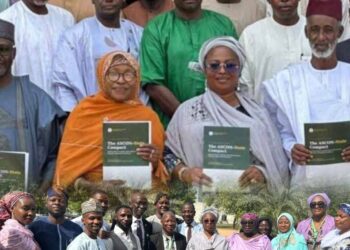
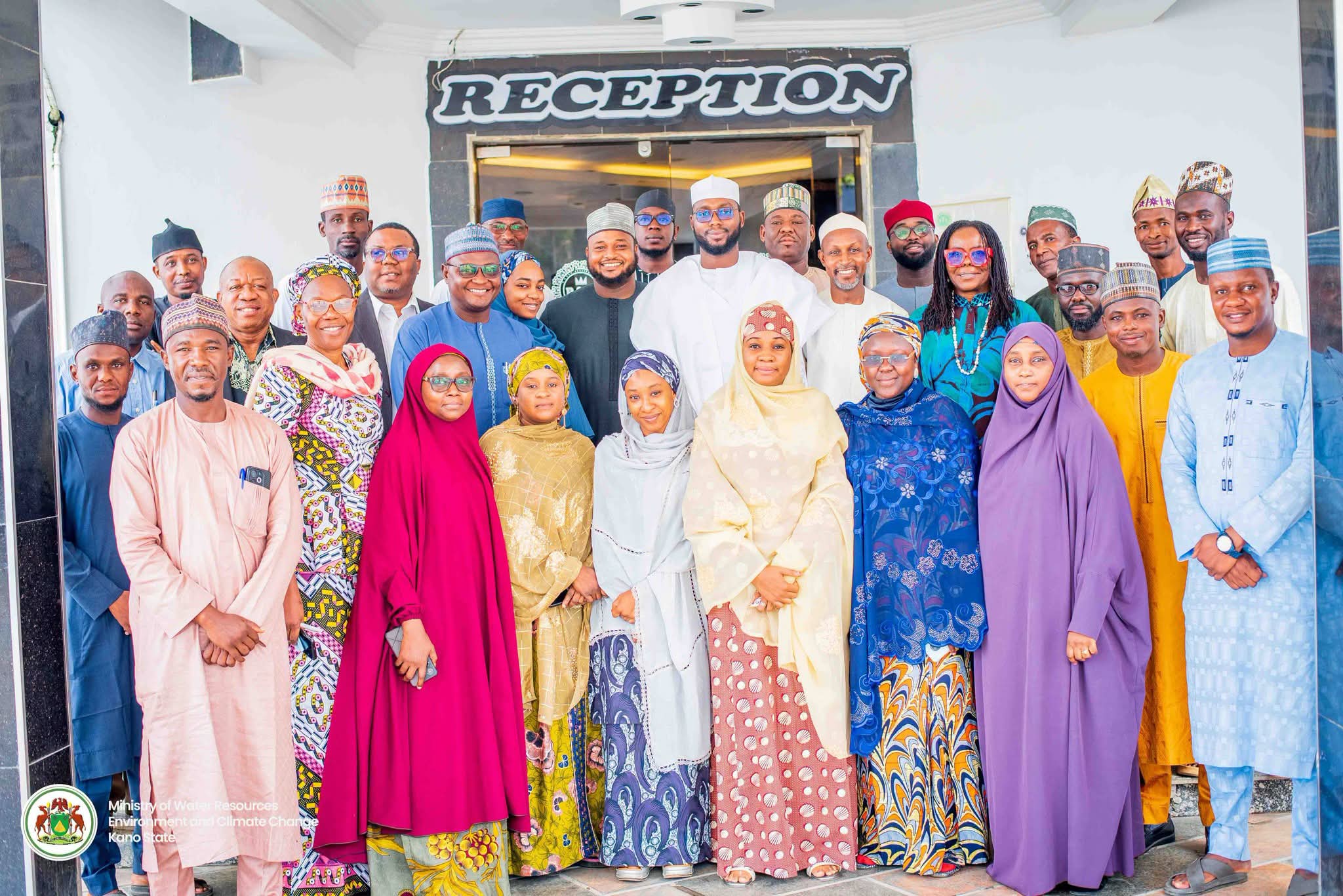
The state’s Commissioner for Water Resources, Environment and Climate Change, Dr. Dahiru Hashim, made the commitment while declaring open the state-level capacity building training on the National Data Monitoring System for Used Off-Grid Renewable Energy Equipment (OGREE) Waste Management, held in Kano on Monday.
DAILY NIGERIAN reports that the two-day training, hosted by Kano State, brings together representatives of the Federal Ministry of Environment, UNIDO, the EU, the African Battery Recycling and Recovery Initiative, ARBR, associate states, technical experts, and other stakeholders.
The aim of the training was to strengthen institutional capacity for the safe management of renewable energy waste and improve environmental data systems.
Speaking at the event, Mr Hashim said the rapid transition to renewable energy must be accompanied by responsible management of end-of-life solar panels, batteries, inverters, and other renewable energy equipment.
“The success of the clean energy transition will ultimately be measured not only by the number of renewable energy systems we deploy, but also by how responsibly we manage their entire lifecycle,” he said.
The Commissioner highlighted Kano’s efforts to strengthen environmental governance through climate policies, legal reforms, digital environmental data systems, and investments in waste management and ecosystem restoration, including a target to plant 10 million trees this year.
He added that the state is revitalising public green spaces, modernising waste management through colour-coded waste segregation systems and improved sanitation equipment, reviving the Dorayi Compost Plant, and developing a Circular Economy Industrial Cluster in Gabasawa that is expected to become one of Nigeria’s largest integrated circular economy hubs.
He said Kano is ready to deepen collaboration with UNIDO, the EU, and other partners to advance circular economy development, recycling infrastructure, digital environmental monitoring, and renewable energy waste management.
“Having consistently demonstrated political commitment, institutional readiness and policy leadership, Kano stands prepared to serve as a leading demonstration state for circular economy implementation in Northern Nigeria and across the country,” Dr. Hashim added.
He urged participants to use the two-day training to build partnerships and translate knowledge into practical actions that will strengthen environmental institutions and support Nigeria’s transition to a cleaner and more sustainable future.