
What if the journey to the hospital could be the first step in saving a mother’s life?
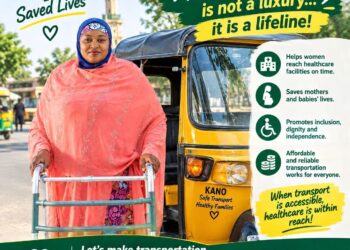
During our community dialogues with tricycle riders and young married Persons with Disabilities across Kano State, I discovered something encouraging.
Many riders were already helping vulnerable people including Persons with Disabilities, elderly people and those needing urgent medical attention to reach healthcare facilities. Sometimes, they did this without payment, recognition or formal support.
But the riders also told us about the challenges they face: lack of guidance, no formal emergency referral system, limited support and even fear of police involvement when responding to emergencies.
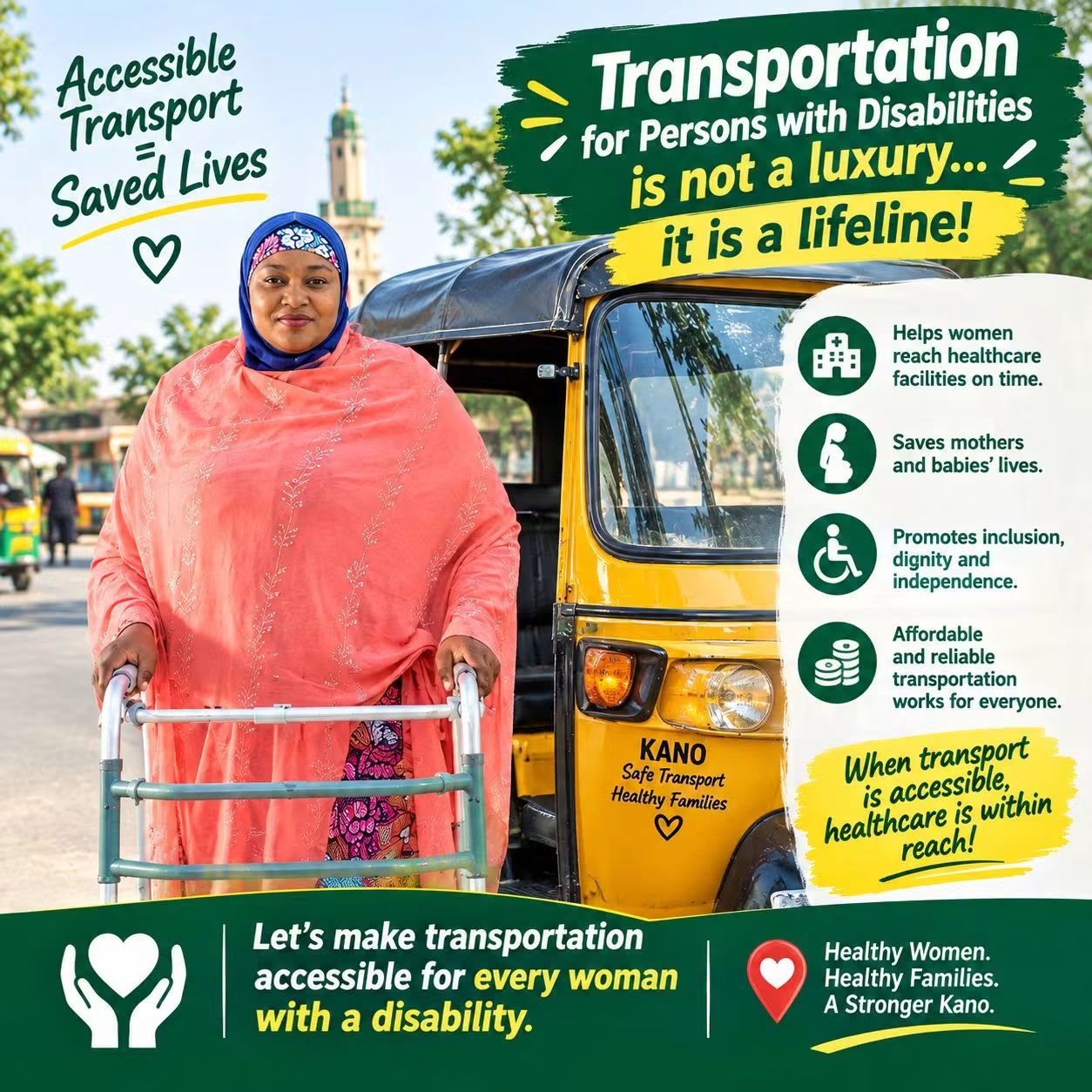
For women with disabilities, the challenges can be even greater. They shared experiences of overcharging, discrimination, short-changing and difficulty getting transportation during emergencies.
Then something powerful happened. For the first time, both sides sat together not to blame each other, but to listen, understand and find solutions.
The tricycle riders made commitments to:
✅ Explore discounted transportation for pregnant women with disabilities.
✅ Support community emergency referral networks.
✅ Create communication channels between PWDs, transport riders and health facilities.
✅ Explore 24-hour emergency transportation support within their communities.
These may sound like simple commitments.
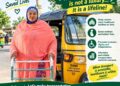
But when a pregnant woman is experiencing an emergency, a tricycle arriving on time can mean everything.
🚐 A tricycle can become a bridge between a mother and a health facility.
🤝 A rider can become part of a community emergency response system.
♿ And a woman with a disability can be a leader, an advocate and part of the solution—not merely a beneficiary.
This is the meaning of:
“NOTHING ABOUT US WITHOUT US.”