
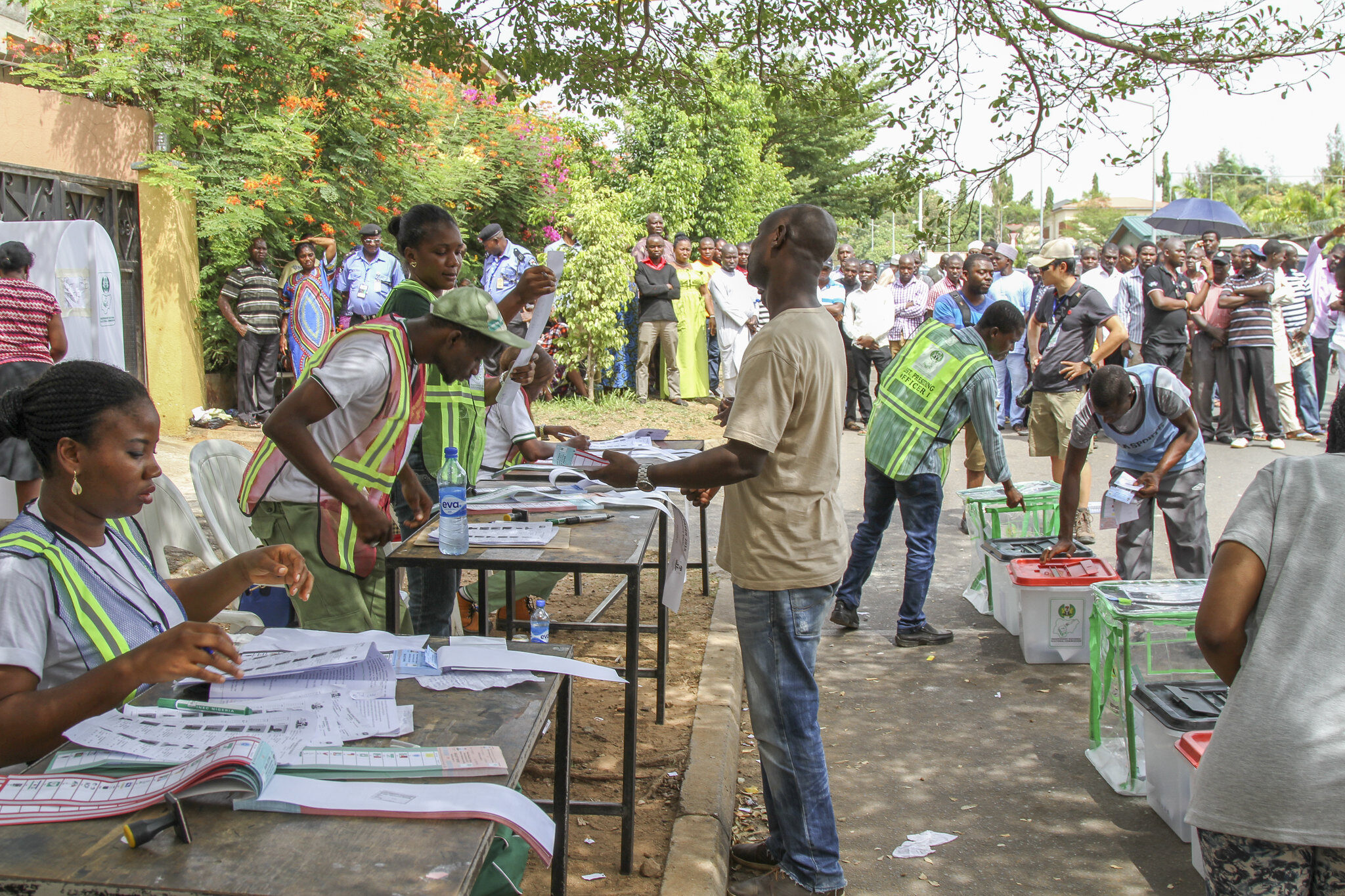
The International Press Centre (IPC) says it is working towards signing a Memorandum of Understanding (MoU) with the Inspector-General of Police to guarantee the safety of journalists covering the 2027 general elections.
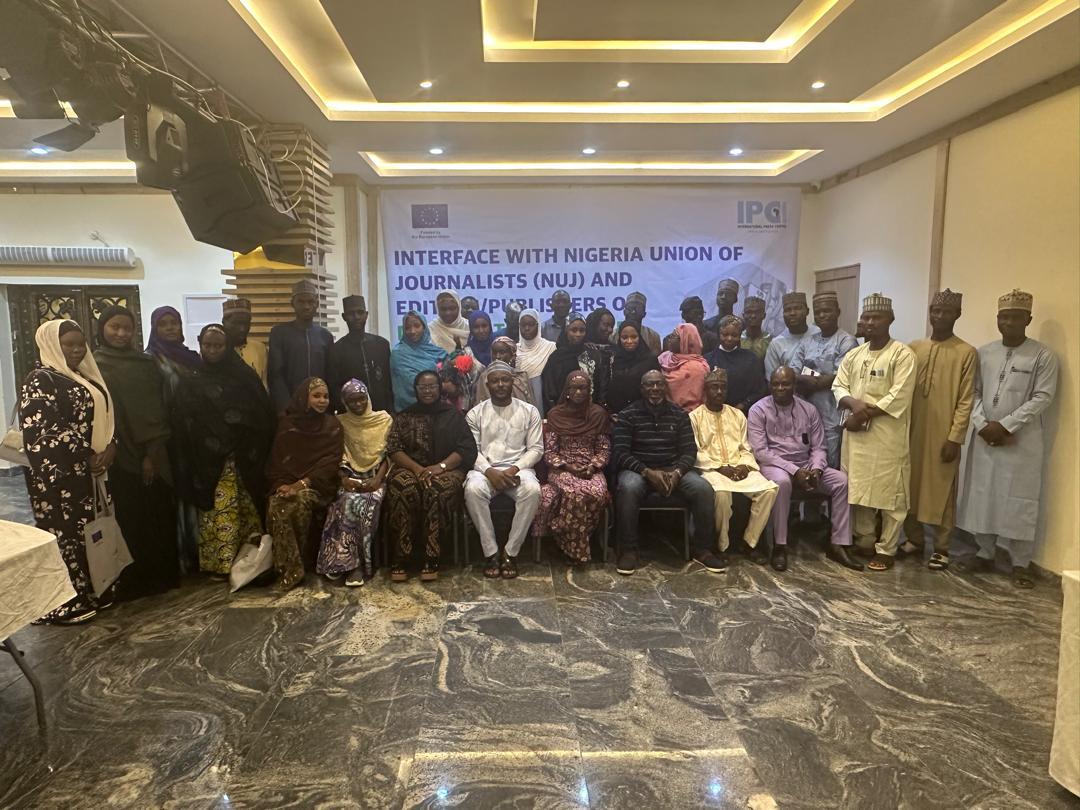
The Executive Director of IPC, Dr Lanre Arogundade, disclosed this on Tuesday during a one-day workshop for journalists organised by the centre in Kano State.
Mr Arogundade said the proposed agreement would commit the police to providing adequate protection for journalists covering election-related activities and ensuring the arrest and prosecution of those who attack media practitioners in the course of their duties.
He said the initiative was necessary because journalists often face threats and attacks while reporting elections, particularly from overzealous political supporters and suspected thugs.
“Everybody wants the media to do everything. We should report very well and get information out, but sometimes we are exposed to danger and we need the protection of the police,” he said.
“We are working towards having a kind of memorandum of understanding with the office of the Inspector-General that will commit them to providing adequate protection for journalists when they go out to cover the elections.
“When things go wrong, maybe some overzealous party supporters or thugs attack us, we want them to quickly apprehend the perpetrators and prosecute them because if we don’t have that sense of safety, we will not be able to do our work as we should.”
The workshop, organised under Component 4 (Support to Media) of the European Union Support to Democratic Governance in Nigeria (EU-SDGN III) programme, brought together more than 45 journalists from different media organisations in Kano.
Arogundade said the engagement was aimed at strengthening journalists’ capacity to report the 2027 elections professionally, particularly amid the growing threats of misinformation, disinformation and politically motivated false narratives.
He said journalists must develop the capacity to verify information before publication, correct false claims and adopt conflict-sensitive approaches to election reporting.
The IPC executive director also urged media practitioners to prioritise issues affecting citizens rather than allowing politicians to dominate the electoral agenda with campaign rhetoric, press releases and political defections.
According to him, journalists must establish what citizens expect from the next president, governors, senators and other elected representatives and use those concerns to shape public discourse ahead of the elections.
He said the media also had a responsibility to document campaign promises and hold elected officials accountable after the elections.
“We should follow the campaign promises and document them because when the elections are over and winners emerge, we should be in a position to go back to the drawing board and say these were the promises that were documented in different areas,” he said.
Arogundade explained that holding politicians accountable did not necessarily mean attacking them but asking questions about the promises they voluntarily made during campaigns.
Arogundade further disclosed that the IPC, which is approaching 27 years of operation, had trained more than 2,000 journalists and contributed to major media development initiatives in Nigeria.
He cited the organisation’s involvement in the campaign for the Freedom of Information Act, enacted in 2011, as well as its advocacy for press freedom, investigative journalism and the safety of journalists.
He added that the IPC was an independent, non-governmental organisation working with development partners and government institutions to promote professional journalism and democratic accountability.
Also speaking, Professor Ruqayyah Yusuf Aliyu of the Department of Information and Media Studies, Bayero University, Kano, urged journalists to discharge their professional responsibilities without fear or favour while maintaining accuracy and decency.
In her presentation titled, “The 2027 General Election in the Context of Democratic and Accountability Reporting: Scanning the Electoral Environment and Reporting Citizens’ Priority Concerns,” she urged journalists to scrutinise political campaign promises rather than merely reproducing politicians’ statements.
A fact-checker with Nigeria Democratic Report, Olusola Oludiran, said the training was designed to equip journalists with the skills to combat misinformation, disinformation and false information.
He urged media practitioners to verify reports, photographs and videos before publication, particularly with the increasing circulation of artificial intelligence-generated images and misleading content.