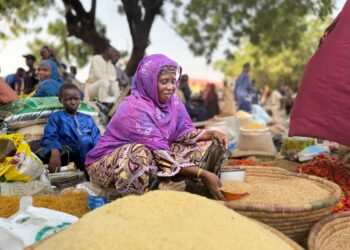

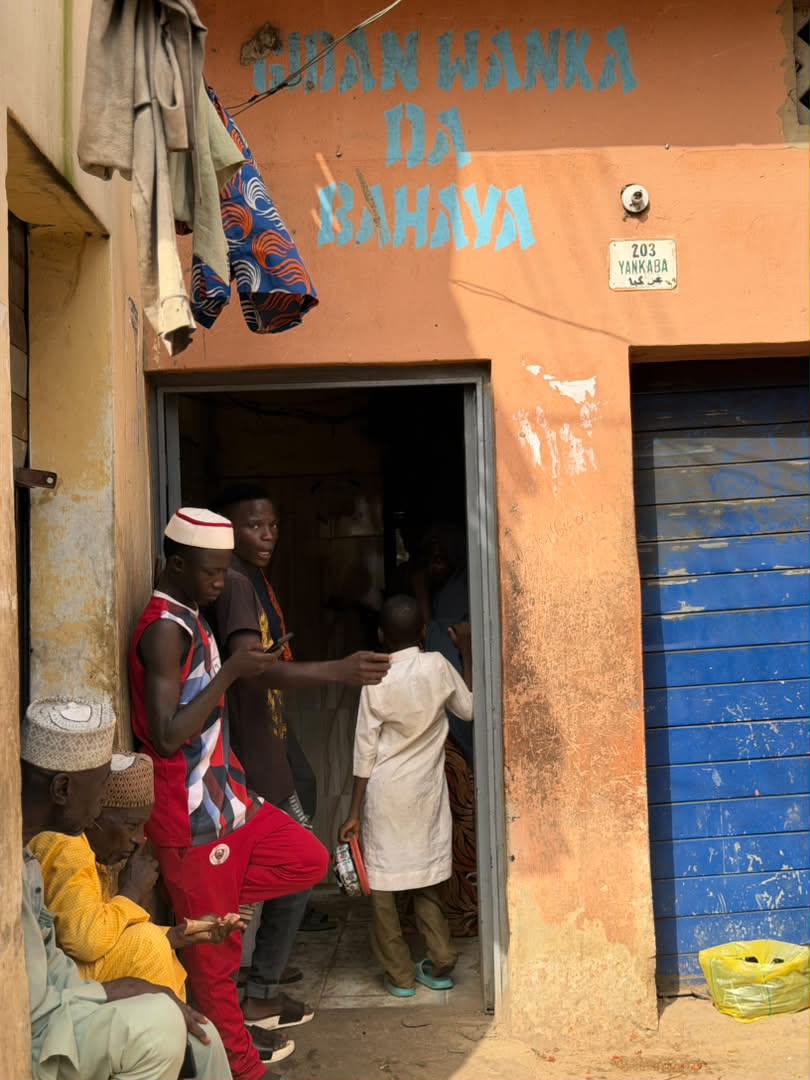
Female traders at Yankaba Market in Kano State have decried the absence of designated toilet facilities for women, saying the situation exposes them to inconvenience and threatens their daily earnings.
The market hosts hundreds of traders selling clothes, foodstuffs, fabrics and household goods.
Hajia Abashiya, a female market leader, told our correspondent that Yankaba Market has no toilet for women. She said the only nearby facility is shared by men and women without a separate section for female users.
“There is no toilet for women here. Men and women use the same facility. It is very inconvenient for us, and sometimes exposes us to embarrassments,” she said.
Hajia Rakiyya, a fabric trader, said women often leave their shops to use the nearby facility and sometimes wait when it is occupied.
“Sometimes you have to leave your shop and rush to the toilet. If someone is inside, you wait. Customers may come and meet your shop empty,” she said.
Another trader, Hajia Binta, said the situation affects business. “When you leave your shop, you may miss a customer. If you are not there, the customer will buy from someone else. It is a loss,” she said.
The traders’ accounts highlight a basic sanitation problem in public markets. Nigeria’s 2021 WASHNORM report assesses whether markets have usable toilets with separate facilities for males and females accessible at all times. It notes that arrangement, usability and accessibility matter, not just the existence of a toilet.
Research in other Nigerian markets has documented similar concerns. A study on gender and informal marketplaces in Nigeria reported a female trader in Television Market, Kaduna, had to leave the market to use a toilet in a neighbouring house. Another study of five markets in Ile-Ife, with 445 traders, identified public toilets among facilities with the poorest conditions.
Meanwhile, at Kano’s Yankaba Market, the female traders called on market authorities and relevant local government departments to provide designated, clean and accessible toilets for women. They also asked market associations to include women in discussions about sanitation improvements.